Thursday, March 5, 2015

Carnaval in Southern Brasil: Novo de novo


As a lovely friend described of her years of growing up in Brazil and actively participating in Carnaval festivities: Brazilian Carnaval celebration is a reminder to enjoy everyday and bring your light to an increasingly dim world. Briefly set aside the burdens of life and heavy judgments. It is a time to take down walls of social normalcy, mingle with people from all walks of life, form friendships, and share love (if only fleeting).


Yes, I prefer endless nature to endless crowds, salty waves of ocean water to sound waves of loud music, a nice cup of green tea to beer, but there is something about cultural celebrations that ignites my more festive side which is exactly what Carnaval did.


New year. New cities. New adventures. I have this feeling that I could celebrate Carnaval every year for the rest of my life and still feel as if it were an entirely new experience. That is because there isn’t just one type of Brazilian Carnaval celebration.

Throughout the country there is a myriad of ways to commemorate the literal “farewell to meat" and although samba culture may be somewhere in the heart of each celebration, I have experienced that there is far more to Carnaval than Rio de Janeiro or scantily clad women in heels that strike like lightening. 


I find the origins of Brazilian Carnaval to be absolutely stunning- a beautiful and lively cultural mash-up that can be quite reflective of the population. Cities heavily influenced by Portuguese, West African, German, Indigenous, or Italian heritage for example may have their own take on the country’s biggest celebration.


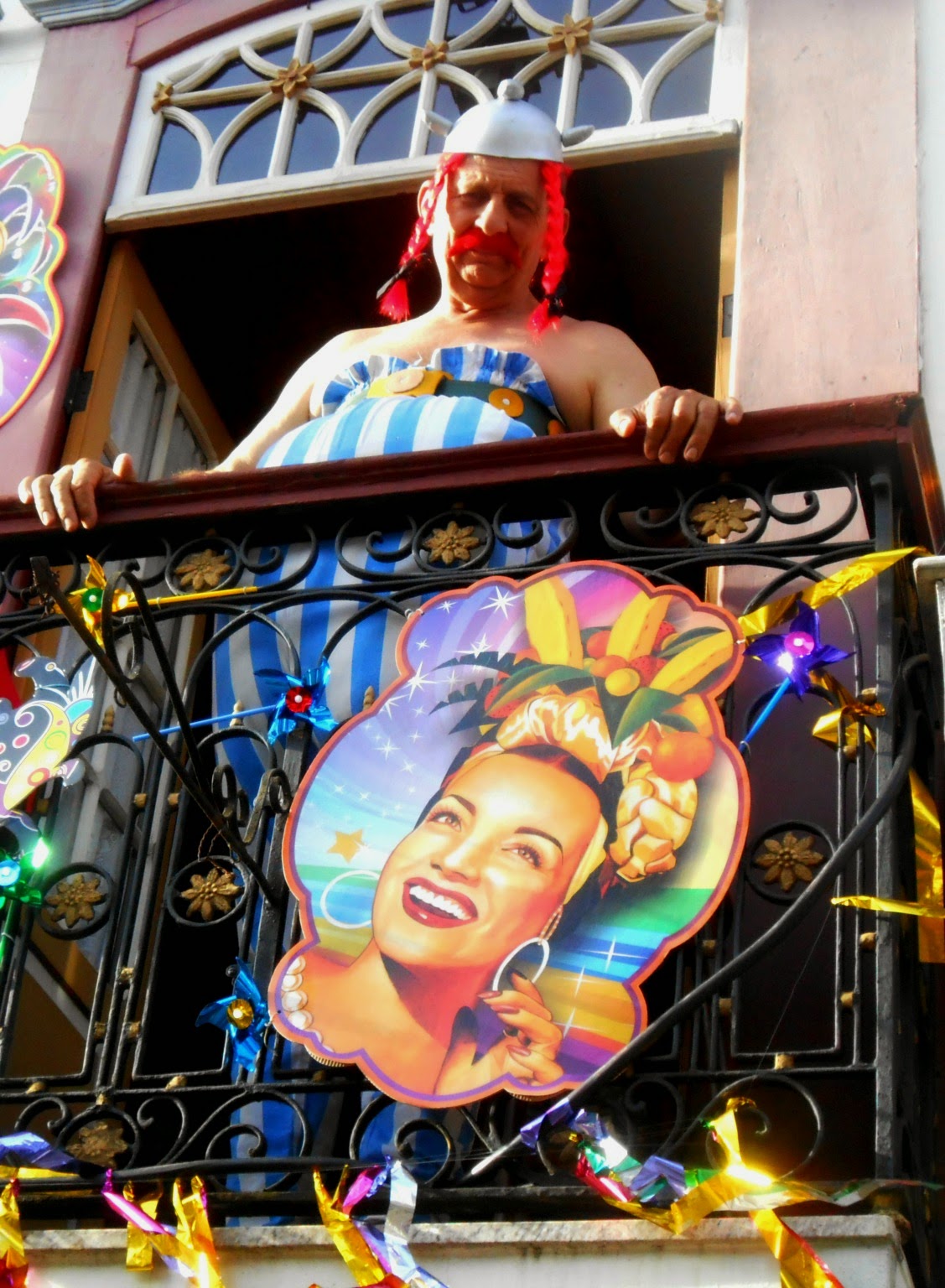
This year, I celebrated Carnaval in a couple of different cities in the south of Brazil- each with their own flair. In one city, I spent the day getting lost in a crowd of unfamiliar faces at an open street concert. The afternoon started off with little trace of the forthcoming Carnaval activities but as the afternoon carried on, the street was met with all types of characters- mermen, superheroes, and I swear I gave a horse head a peck on his/her muzzle.


Samba played loudly from musicians performing atop a high charged truck known as a trio elétrico. I danced danced danced alongside friends both new and old. My hands reaching towards the sky as confetti and bubbles unremittingly fell onto my feather clad, war-paint ridden body. My clumsy, uncoordinated feet stumbled in attempts to keep up with the rhythmic patterns of the tamborims and surdos accompanied by the agogôs, cuíca, and all that is the vivacious sound of samba.


On the final day of Carnaval, I traveled to another city where I was absolutely blown away by the magnitude of the celebration. I had been to this little Portuguese settled town before and I was quite charmed by its quaintness and tranquility but during Carnaval, the city transformed. I arrived in the beginning of the night and the streets were absolutely buzzing with people of all ages. Children flocking together, causing minor havoc and enjoying different sweets, families sitting along the busy streets perched in beach chairs and enjoying the sights before them, people of all ages happily engaged before the commencement of what could best be described as a “people’s parade”.


At around midnight, a loud banging of drums indicated that the procession was about to begin. The temporary street dwellers cleared to the surrounding sidewalks and all that could be seen at the end of the street was a file of brilliantly dressed dancers of all ages accompanied by dazzling floats and musicians. The overarching theme of this “escola de samba” parade was magic in every form and oh what a spectacular theme it was. Each group of performers told a different story about magic, from lighthearted fairytales to ominous fables- even Harry Potter made a brief appearance amidst the sea of samba dancing witches and wizards.

After about 45 minutes, the choreographed dancers made their exit but it was hardly the end of the procession. Immediately following behind the final performers, the crowd began to join in the parade as if they were summoned to take over the streets with their own style of dance. Suddenly, I found myself completely submersed in a sea of people. Open space could not be seen for miles. People talking, dancing, singing, drinking, laughing, flirting- the night had officially begun. I was definitely out of my element and enjoying every minute of it. Again, I found my feet trying to keep up with the rhythm of the music but they simply could not. However, the rhythm of my heart was finally beginning to catch on and that was all I needed.


With all of the colors, endless high energy, kind hearts, and cultural harmony, I found Carnaval to be nothing short of a four day celebration overflowing with inspiration.

 With infinite love,

 
The Frohemian

(The photos in this post were taken by me and my amazingly talented friend Cez)

Tuesday, April 29, 2014

A Taste of Green Corn


I returned from Easter holiday vacation with a couple of surprises. 
  • Solid internet connection
  •  Access to my blog
Since my move, the internet has been pretty tricky and I have had difficulty accessing my blog page. There has been so much that I’ve wanted to share about my travels so hopefully I can pull up some fond memories from my journal and share a relived experience with you lovelies. But now, I want to share with you my most recent adventure.

During Easter holiday, I spent time in a “tourist” town relatively untraveled by natives and quite unknown to foreigners. The town is called Milho Verde and it lies in center of Minas Gerais, Brazil. Following the reaction of several of my friends, I didn’t really know what to expect from this “country, antiquated, nature-town”, as it was more or less described to me. Surprisingly, from the moment I turned onto the rugged dirt roads, said goodbye to my phone service and internet access, it turned out to be nothing I’d expected and everything I’d hoped.

My days were spent hiking, wandering the natural terrain full of rivers, cliffs, and an abundance of beautiful rushing waterfalls. After hours of hiking I would recuperate in the natural pools and munch on the most delicious vegetarian pastels made by some of the local children. It was so liberating to trek shirtless, shorts less, and often barefoot in search of my own private waterhole that I could bask in without noise pollution, interruptions, or the natural discomforts of sharing a desirably personal space with unfamiliar people.

Although Milho Verde was the perfect destination for self reflection, it did not completely suppress my lingering social side. My nights were spent making friends from all over Brazil, singing loudly in broken Portuguese, and dancing until my legs gave out. I moved to the sounds of the most soulful samba singer. Her head full of dark curls bounced and swayed to the rhythm of her guitar strings as she sang with a voice smoother than pudim de leite condensado. The town seemed to come alive at night with joyous people spilling out of the bar and moving the dance floor to the dirt ridden streets. There were no rules and no dress code. People arrived in everything from swimwear to dashikis eager to build bonds without care and without judgment.

When I grew tired of the bar scene I escaped into the silent night where I sat atop the nearby mountain and got lost beneath the galaxy. There wasn’t heavy lighting for miles and miles and that was apparent in the night sky. I have never witnessed so many planets, shooting stars and constellations. I thought I knew the sky from various nights of camping in my backyard as a child but this southern sea of stars told a completely different story. Lightening struck off in the distance all around me but there didn’t appear to be a single cloud in the sky and no sign of rain. It was truly wondrous.

On Sunday morning, I opened my window and was greeted by more than the fresh morning air. There was a startled donkey that quickly fled the scene followed by a herd of cattle being directed by a young man in a buggy. Meanwhile, in the backyard, there was a tree full of monkeys, stealthy swiping bananas, and roosters from the neighbor’s yard that had become somewhat of a natural alarm clock since I arrived.

I began my Sunday with warm, homemade sweetbread from the local baker and went to the Sunday market to buy and sell some goods. The market, like the town, was full of amazing artisans. I discovered beautiful crochet and macramé pieces and my taste buds were reawakened by the different flavors of jams and marmalades. I befriended some of the vendors around me as we ate, sold art, and listened to live bossa nova.

My time in Milho Verde was nothing short of lovely and it demonstrated that exploration in the face of uncertainty can lead to beautiful results. The sites were memorable, the cuisines were delectable, and the people were amicable. Milho Verde is a rustic town built on peace and tranquility and the town dwellers openly accept all those who wish to respect and participate in the harmony that they have maintained. I encourage all those daring enough to escape the beaten path of Brazil’s hot spots to get a taste of the delicious Milho Verde.

With infinite love,
The Frohemian

Wednesday, June 5, 2013

Art Crush: Hassan Hajjaj


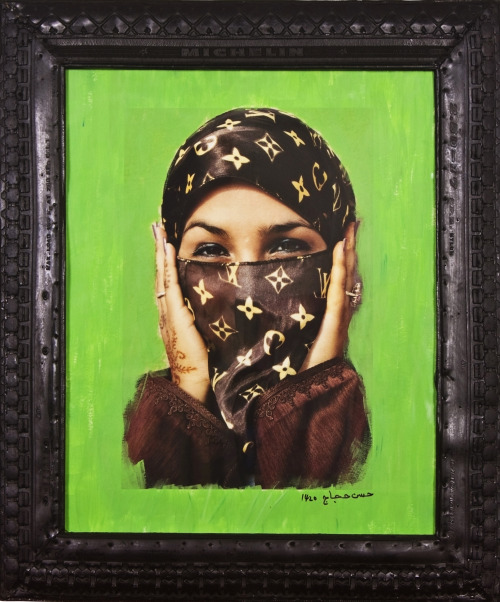
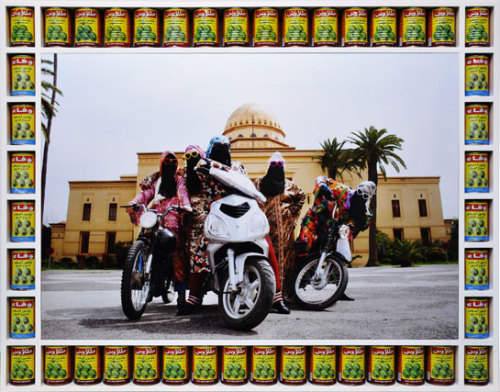
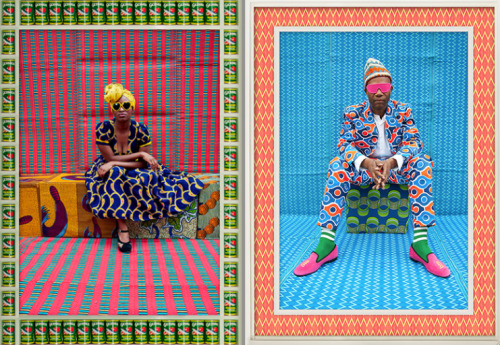
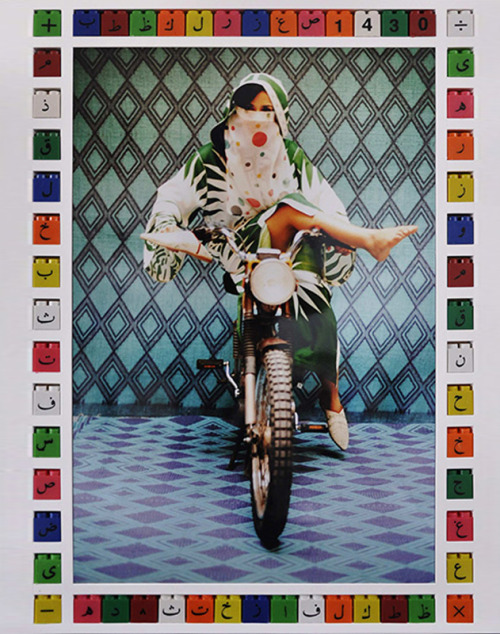
There are times when I develop what I like to call “visual obsessions” with work from various artists. I don’t know what it is about certain artwork that just makes my eyes water from excitement, followed by temporary light-headedness and a brief shortage of breath. I get this urge to want to cover every inch of my room in the work that I just spent hours upon days looking at through a computer screen wishing there was a way to capture the images in their original essence and stash them where I can always view their true beauty. Is that just extraordinarily over-the-top and abnormal? Probably; welcome to my life. Anyway, my most recent visual obsession has been with artist Hassan Hajjaj. Hajjaj’s art is yet another beautiful product of a perfect cultural mash-up.  

Hassan Hajjaj is an African artist who moved from Morocco to London during his adolescent years. He first began to display his artistic talents through the world of interior design and fashion. This eventually led him to purchase his first camera and experiment on a new type of canvas without any formal education in the arts or photography.  Using his bi-cultural background, Hajjaj often creates art that depicts both African and European cultures. He produces images that display symbols of cultural traditions as well as stereotypical depictions of Islamic culture, the orient, and other non-western cultures. He then juxtaposes these images with symbols from pop-culture and Western trademarks such as Coca-Cola cans. Hajjaj uses the power of popular brands such as Coca-Cola as a way of bridging two cultures together with a highly recognizable product. A wide variety of viewers can relate to his artwork through these familiar images though the artwork speaks to the viewers in different ways. Through a mix of contrasting hues, clashing patterns, and slightly humorous cultural juxtapositions, Hajjaj has found a way to incorporate his experiences, background, and cultural-influences in an art form that questions the true meaning of “cultural identity” and “the other”.


 With infinite love,
 
The Frohemian

Thursday, May 23, 2013

TTT3: Culture-Woven Fabric


(Labels: Black Tank- Bebe, White Lace Tank- American Apparel)


I inherited this Ankara skirt from my grandmother, along with many other types of Ankara apparel, most of which were handmade (my grandmother was an AMAZING seamstress and an even better dresser). I have a slight addiction to Ankara fabric and I have a strong feeling that it will appear in my wardrobe quite frequently this summer.

Ankara fabric is also known as Dutch wax print fabric and although it is most commonly referred to as African print or having African origins, the fabric was actually crafted by the Dutch as an Indonesian-inspired, batik-like fabric. After the Dutch introduced the fabric to the European market, it began to be mass-produced but it did not gain popularity until it reached modern-day Ghana and began to spread throughout West Africa. After the fabric caught on in West Africa, the Dutch were inspired to design the fabric in order to better reflect West African culture and focus less on Indonesian batik.

Ankara fabric alone tells a deep history of cultural blending and sharing. I think that it is a perfect example of how beautiful things can be created with the participation and combination of different cultural influences!

Of course, with such atypical patterns and color combinations expressed in each piece of Ankara fabric, it can be difficult to style it without distracting from its overall beauty. I figured these images might help a little:


(Blogger and huge inspiration- Folake of StylePantry.com)

(The Boxing Kitten)
(Italian Designer Stella Jean)


 With infinite love,
 
The Frohemian

Sunday, May 19, 2013

Beautiful Creations: Pakistani Truck Art

Decorated Pakistani trucks (also known as jingle trucks) are seen as the most unique and beautifully decorated vehicles in the world. Each truck is hand-painted and can display an assortment of poems, portraits, religious symbols, and anything else that may come to the mind of the truck owner or the artist. Along with intricate murals and designs, the truck is also adorned with decorative pieces such as painted, metal cutouts, lights, mirrors, and chains and bells to make the vehicle jingle as it rides (hence the name “jingle truck”). Each truck is lavishly decorated in a way that is unique to the region in which the truck is from.


A lot of time and money goes into the transformation of these flashy forms of transportation but for many truck drivers, it is a sacrifice rooted in love. Other vehicles such as buses and taxis may also display similar artwork but it is often done as a way to attract more passengers.


Truck art is not contained inside Pakistan borders. It can found throughout Asia as well as South America. It has even been displayed in Australia, New Zealand, and the United States. Even with truck art’s near world-wide attention, Pakistan remains unrivaled in the world of beautiful, intricate, vehicular art.


Over the years, truck art has become a cultural symbol in Pakistan. The truck is a large canvas that serves not only as a means to transport goods but also as a form of cultural expression.

Inspired...

 With infinite love,

 
The Frohemian


(The truck-only photos used in this post were taken from various Pintrest pages)
(The photos with the models were taken by Pakistani photographers and make-up artists, Maram & Aabroo http://www.maramaabroo.com )
(For more information regarding Pakistani truck art, blogger Ehtisham has some great sources to refer to on http://www.pakistantruckart.com/blog)